Biosecurity Fundamentals for Mobile OPU and Embryo Transfer Groups
Every mobile OPU and embryo transfer team carries 2 points right into a farmyard, competence and danger. If the 2nd exceeds the very first, it just takes a small gap for a reproductive program to start spreading pathogens in between donors and recipients, farm to ranch, or back into your very own rig. Biosecurity is not a binder in a truck door, it is a practiced means of working that holds up on a gravel lane at 5 a.m., in a congested palpation chute, or at twelve o'clock at night in a motel space cleansing tools for the next quit. After a years of IVF Bovine fieldwork and business Embryo Transfer around cattle of every temperament and facility requirement, I have learned that a team's biosecurity practices show up in their outcomes and their customer listing. The procedures listed below show what survives call with rainfall, dirt, and time pressure.
Why mobile OPU and ET increase the stakes
Fixed facilities allow you different tidy and unclean areas with wall surfaces and airflow. A mobile unit presses you to recreate those controls with bins, benches, and muscle memory. You work inside barns that double as feed streets, near open shallows, or in spick-and-span new handling systems. In either case, your gear, hands, and motion patterns are the primary vectors. OPU/ Oocyte Collection adds the added intricacy of transvaginal entrance and direct call with follicular fluid and blood. ET, while less intrusive, bridges contributors and recipients through biological material and sharps. The margin for mistake tightens when you pack up after one herd and drive straight to the next.
The outcome is binary for clients. They either get embryos and pregnancies without dramatization, or they wrestle through a season of unusual very early losses, brand-new breathing concerns in heifers, or a BVD flare they have actually not seen in years. Most of the times, the trigger is traceable to traffic patterns and tool care, okay luck.
What steps virus in a mobile outfit
Start with the noticeable, boots, sleeves, and visibly filthy gear. The covert threats take a trip just as well. Adverse pressure in your trailer can draw barn air into your clean side if doors stay open too long. Nitrogen vapor from a dewar condenses dirt on cover gaskets and neck tubes. Collection media and wash services lose their preservative power if combined and held at the incorrect temperature level. Washing solutions can become cross contamination centers if you are not mindful about bagging and timing. Also your phone is a normal culprit, it becomes a fomite every single time a customer texts while you have gel on your glove.
A basic heuristic maintains decisions right in the field. Anything that contacts a benefactor's tract, recipient's cervix, or a zona pellucida is either solitary usage clean and sterile or it has been cleansed to get rid of organic tons then disinfected or decontaminated with verified contact time and method. If any one of those steps doubt, it does not touch livestock or embryos today.
Pathogens that matter, and exactly how they behave in your workflow
Mobile reproductive work intersects with pathogens in three locations. On pets, on instruments, and in the lab zone.
- In contributors and recipients, we stress over BVDV, IBR, leptospires, Campylobacter fetus venerealis, Trichomonas fetus, Mycoplasma bovis, Salmonella, and Johne's disease representatives. Much of these shed intermittently. A donor that examined negative last month still is worthy of full barrier handling.
- On instruments, surrounded viruses like BVDV are at risk to heat and oxidizing anti-bacterials, while non surrounded bugs and mycoplasmas can endure in biofilms if you hurry cleansing. Raw material weakens disinfectants. If a curette or goal line looks clean however still carries healthy protein movie, your Virkon bathroom is theater, not disinfection.
- In the lab area, germs like warm meals and media movies. Zona-intact embryos can be made risk-free by International Embryo Transfer Culture washing protocols, but zona-damaged or hatching embryos, in addition to IVP blastocysts doing not have a durable zona, do not obtain the same protective impact. That is where upstream hygiene pays off.
A tidy to dirty process in the rear of a truck
A pick-up bed or small trailer can run a commendable clean area if you assume in circulations as opposed to furnishings. Book the onward best quadrant for tidy preparation, closest to power and far from doors. Designate a filthy consumption edge where used tools land in a closed carry. Keep the nitrogen dewar near the tidy side yet off the major walkway so dust and sleeve cuffs do not clean it per hour. Color coded bins do greater than tags once tiredness sets in, blue for sterilized sealed, white for clean ready, red for unclean pending.
Airflow is crude however convenient. Park with doors versus the wind when feasible, close the barn side door throughout dish handling, and add a tiny HEPA system on the clean bench to cut down dust. I maintain two the same silicone work floor coverings, one just for sterilized recipe handling and the various other for handwear cover modifications, pens, and tags. Replace mats if they get nicks that catch residue. It really feels picky, but every carved groove behaves like old reducing board wood.
Pre browse through screening and customer prep that save your day
- Confirm contributor and recipient health condition within the previous thirty day, consisting of BVDV specialty standing, trich screening for bulls on the area, and current respiratory injection protocols for heifers.
- Ask regarding recent illness events on ranch, searches, respiratory spikes, or abortions, and change organizing to go to high threat herds at the end of your course with added downtime for decontamination.
- Share the facility and water strategy beforehand, tidy hose pipe bib access, shielded power, a draft complimentary corner for the mobile lab, and a turnover place for automobile laundry down that does not splash pens.
- Lock in supply counts the day in the past, clean and sterile probe covers, single use needles, ambition tubing collections, sleeves, and media, so you are not pushed into reuse because of a shortfall.
- Assign roles and communication paths, that handles animals, that is laboratory side, that owns the sharps box, and just how you will certainly stop briefly if a violation occurs.
On farm arrangement and flow that safeguard donors, receivers, and embryos
- Park with the tidy side of your rig away from manure scrapes and wind, placement chutes so animal flow does not cross your clean entry.
- Stage a boot scrub and hand hygiene point at the rig door, after that gown and glove for the clean bench, modification gloves at each shift from donor taking care of to dish work.
- Run contributors initially by risk category, younger, much healthier pets before older or suspect cases, with the last individual slot for any kind of animal with diarrhea, nasal discharge, or recent fever, or hold off that animal if in doubt.
- Segregate used instruments right away, shut lid into the red bin, do not established anything used on a bench, tailgate, or top of the dewar, ever.
- Build in a 15 min purification break after the pet help final meal handling and embryo loading prior to you go near receivers, this psychological reset prevents cross job shortcuts.
Instrument processing that stands up in the field
Heat is best, chemistry is backup. A lot of OPU needles and steel guides endure autoclave cycles, while ambition tubes, silicone lines, and plastic manages often do not. I maintain 2 parallel streams. Stream one, autoclavable things are pre cleansed on ranch with chemical cleaning agent in cozy water, washed with clean water, dried, and gotten for autoclave back at base. Stream 2, single use or chilly sanitized items. For cool sanitation, eliminate gross debris initially, scrub up until visibly clean, after that soak in a high level disinfectant with the appropriate concentration and get in touch with time. Choices that travel well include:
- 1 to 2 percent glutaraldehyde, 10 to 20 mins minimum for high degree sanitation, longer for sterilant level. Use in a well ventilated room and wash extensively with sterile water, trace residues are cytotoxic to oocytes and embryos.
- 0.3 to 0.5 percent peracetic acid, 10 to 15 mins. Effective in natural lots, lower deposit threat, however monitor odor and team comfort.
- 1 percent Virkon S, 10 mins on pre cleaned surfaces and instruments that contact skin or outside makeup, not for anything touching embryos or the within the tract.
- 2 to 4 percent chlorhexidine for skin prep, not suitable for embryo call. Rinse off vaginal or vulvar surface areas prior to getting in with sterile items.
- 70 percent alcohol, 30 seconds to 1 min on currently tidy, reduced porosity surfaces. Alcohol does not pass through organic residue, which is why it falls short so frequently in the field.
I prevent sodium hypochlorite for instruments because of corrosion and deposit, but it is fine on concrete and non bovine IVF Houston TX BREENDING TECH essential surfaces if rinsed. Whatever you select, run test dishes at the start of the season. Place a bead of your final rinsate into cozy holding media and see if denuded oocytes or IVP embryos endure it. If you see lysis or slowed bosom in a pilot set, readjust currently, not after benefactor day.
Liquid nitrogen storage tank hygiene is a blind spot
Dewars are hardly ever cleaned up and usually opened in messy settings. Every time you stand out the cover, condensation traps dust on the neck area and cover seat. Clean the neck and lid contact points with a lint totally free towel dampened with 70 percent alcohol prior to initial opening at each ranch. Maintain goblets and walking sticks in secured sleeves inside the container, not loosened. Never establish straws or embryo dishes on the neck edge. If a straw touches a gloved hand, air, or any unsterile surface, discard it. Tag your canisters by client and task, do not commingle straws from numerous ranches in one open container. When you bring the dewar back to base for solution, schedule a full warm down, inspection, and sanitization cycle under controlled problems, not between farms.
Consumables are inexpensive compared to a condition event
If a solitary use product touches a contributor, embryo, or recipient, treat it as single use without exceptions. That includes OPU needles, aspiration filters, vaginal specula with integrated light networks, syringe tips, embryo handling pipettes, and recoding pens utilized near meals. Keep lubricating substances in non reusable sachets for OPU and rectal job, mass lube containers come to be microbial terrariums after one lengthy day. Use sterilized ultrasound gel packs for the inside of the probe cover and non sterilized gel just on the outside. Cleanup air from ambition lines with sterilized media, not saline from a multi dose bottle. Each time the group gets careless with small things, the laboratory side slowly builds up unusual contamination.


OPU/ Oocyte Collection, the details that protect against trouble
Transvaginal aspiration brings genital vegetation, feces, and blood right into the same conversation as follicular liquid. I run a closed system with a clean and sterile probe cover, sterilized indoor gel, and a sterile overview. Perineal preparation consists of tail cover, charitable cozy water rinse to remove manure, and a last clean with water down chlorhexidine or iodine, complied with by a sterile water rinse. Lube sparingly, and never let the lube container contact gloves that will certainly manage needles or meals afterward.
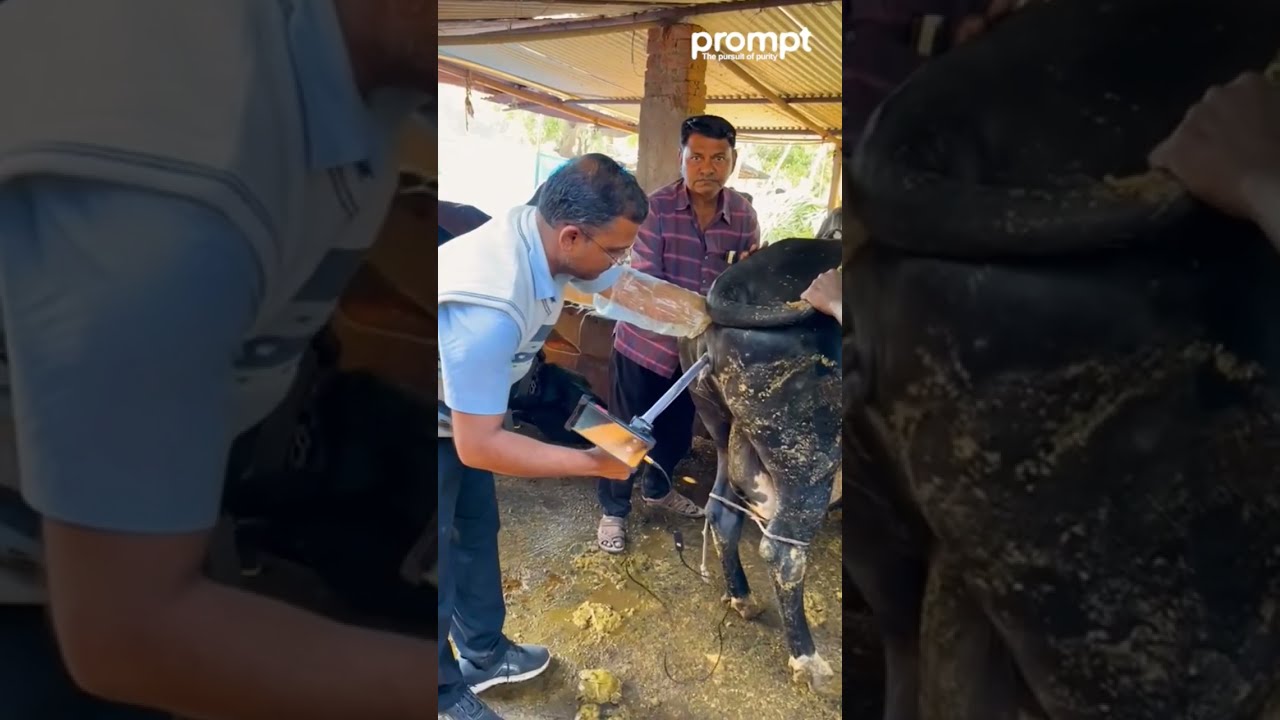
Use brand-new clean and sterile needles per benefactor. In between ovaries in the exact same contributor, wipe the guide and needle center with sterilized gauze moistened with alcohol while preserving cover honesty, or far better, use a brand-new sterile guide if your kit enables. Keep the desire vacuum stable, usually 80 to 120 mmHg at the needle, depending on needle scale and operator choice. Greater vacuum roughes up the zona and drags particles right into the line. Warm your collection media to 35 to 37 C and maintain it moving delicately in the filter mug. If blood contaminates the collection, change the cup and media, after that lower vacuum cleaner. I have shed more oocytes to hemolysis and clotty lines than to any type of various other avoidable factor.
Once you are done with a contributor, strip the cover without touching the transducer head, drop it right into the red container, and clean the take care of and cord with a pre moistened anti-bacterial clean that does not leave deposits unsafe to plastics. Check the transducer face. If there is any kind of violation in the cover during the procedure, pause the session, clean the probe with enzymatic cleaning agent, rinse, after that make use of a supplier authorized high degree anti-bacterial with full get in touch with time. Paper the violation and decontamination.
Embryo Transfer, when little shortcuts carry large costs
ET days look tranquil compared to OPU, however the bridge you are going across, from benefactor to recipient, is still actual. Service a clean, secure surface off the ground. Use fresh sterile sheaths and guns for each recipient. If you are filling straws in the area, sterilize the work area, and keep a warm block prepared at 35 to 37 C for quick handling. Prevent touching any type of straw to skin or non clean and sterile handwear covers. For non surgical transfers, cervix contamination prevails when the rectal hand inadvertently drags manure onto the vulva. A fast vulvar rinse and wipe before insertion repays with reduced endometritis rates.
For cleaning and evaluating embryos recovered on ranch, adhere to the IETS suggestions, a series of 10 laundries with fresh media declines, utilizing brand-new pipettes for each relocation, and consist of a trypsin therapy action for zona undamaged embryos when benefactor danger doubts for viruses such as BVDV. Do not use trypsin to zona harmed or hatching embryos. Tape any zona abnormality and stay clear of cold or transferring embryos with jeopardized envelopes into high worth recipients. If embryos are IVP, remember they are a lot more conscious deposits and dealing with shock, decrease outdoors time and keep oils and meals pre equilibrated.
IVF Bovine laboratory health in a mobile setting
When you run IVF Bovine job partially in the field, uniformity defeats complexity. Make use of a portable laminar circulation hood if you have to control oocytes or embryos outside the base lab. If that is not possible, create a clean niche in the lorry with a HEPA filter and limitation exposure. Pre equilibrate media in sealed meals at the base, transport in additional containment with temperature surveillance, and decrease lid lifts on farm. A basic thermologger in the media transportation box will tell you which parts of your route push you out of the 36 to 38 C band. Do not attempt to mature oocytes or society embryos in a truck unless your incubator is shock installed and validated. The wonderful area for mobile teams is to collect cleanly, package firmly, and hand off to a regulated lab within limited time windows.
Records, tags, and traceability protect everyone
A clean biosecurity program breaks down without traceable documents. Tag every dish, straw, and tube with benefactor ID, date, and special sequence numbers that link to your digital document. Track which instruments touched which contributors, even if indirectly via a batch, so you can rebuild get in touch with chains if something goes wrong. Photograph uncommon searchings for and log them with timestamps. If you ever deal with a condition examination, the capacity to pull a route map, pet checklist, and instrument lot numbers gets credibility and lowers downtime.
Waste, sharps, and the leave plan
Sharps boxes travel twisted in the very same position on every trip, so nobody searches for them with a crammed needle. Shut them and change prior to they struck the suggested fill line. Soft waste, sleeves, covers, and gauze, enter into sturdy red bags inside inflexible totes with covers that latch. Never throw away biohazard waste on the ranch unless you have actually a written arrangement and the farm has the ideal containers and solution. Before you leave a website, do a ground scan for roaming sheaths, wrappers, or caps. The fastest means to finish a connection is to leave a bright blue sleeve in the alley.
People and PPE, since methods live in habits
I see groups with pristine bench method wreck the day by missing a glove modification at the wrong time. Make it easy to do the right thing. Mount handwear cover boxes in two areas within reach, keep hand sanitizer visible, and supply nitrile in dimensions that actually fit your team. Wear eye security throughout OPU, follicular liquid sprinkles more frequently than individuals confess. Usage water resistant aprons you can decontaminate between donors and hang to dry in between farms. Train novices on a fifty percent rate day with reduced stakes as opposed to throwing them into a 15 benefactor marathon. Negative practices learned under tension are difficult to unlearn.
Zoonosis is a genuine risk. Lepto and Salmonella do not respect your timetable. Any individual with cuts on their hands wears double handwear covers. No food in the lab side, ever before. Canteen remain outside the job zone. If a person establishes GI signs and symptoms after an unpleasant day, they report and tip off the following check out until cleared.
Emergencies, downtimes, and when to claim no
The bravest sentence in the field is, we are refraining this today. If the only room provided is a dust storm at the end of a product barn, if water is a common hose pipe caked in manure, or if benefactors get here with visible ailment, pause and re plan. Have a manuscript for the customer that clarifies why rescheduling shields their cattle and embryos. Construct forgiving paths that leave time to completely sanitize after a high risk session. I set a tough policy, after any kind of believed contamination breach inside the probe cover, the next scheduled instance is delayed at the very least one hour for complete instrument handling, no exceptions. That hour costs less than an outbreak.
Edge cases that separate specialist judgment from rote rules
- Mixed varieties sites prevail. Functioning livestock alongside small ruminants raises the stakes for Coxiella burnetii and Salmonella. Produce added barriers and consider safety masks throughout OPU in encased spaces.
- Cold breaks split plastics and compromise handwear cover integrity. In freezing weather, cozy your probe cover and gel packs indoors appropriate prior to use to reduce mini rips. Alcohol wipes flash freeze and shed effectiveness, switch to alternate disinfectants.
- Mud period reroutes web traffic. Mark a runner to maintain the tidy side clean, transporting things without stepping into the filthy area, or put down non reusable ground covers between chute and rig door.
- Multi day farm visits invite complacency. Treat day two as a brand-new site. Reset containers, wash or replace outerwear, and re sanitize the dewar neck.
- Interstate work introduces governing layers. Some states treat embryos and sperm as regulated biologics. Carry permits and existing IETS code recaps, and maintain chilly chain logs that will certainly satisfy an inspector.
Measuring success and developing a society that lasts
Biosecurity earns its keep quietly. Your metrics are not fancy, less post treatment high temperatures in benefactors, cleaner embryo grades, stable maternity rates, and the absence of brand-new illness on movement logs after your visits. Establish internal limits. If contamination notes show up in more than 5 percent of benefactor situations in a month, evaluation technique. If embryo dispose of due to zona damages or debris spikes, revisit vacuum cleaner settings and prep. Debrief after tough days, make one modification at once, and write it down.
What waits with each other is culture. The senior technology that rewashes a somewhat dusty bench mat without remark, the vet that steps back to change handwear covers prior to loading a straw although the recipient prepares, the manager who oks a reschedule in poor conditions instead of forcing the job. Customers observe this solidity. They might not price quote the IETS guidebook, but they feel the care you tackle their ground and they bring you back for it.
Mobile OPU and Embryo Transfer groups flourish when their biosecurity is mobile, functional, and unrelenting. Construct systems that work in actual barns, test them versus weather condition and exhaustion, and educate them up until they are reflex. The reward is a rig that leaves healthier maternities than impacts, which is the very best calling card in this business.